
Think Local or Go Global? Practical Insights on Domestic and Overseas Packaging Suppliers
Imagine this. A growing business lands a major order and requires packaging supplies that fit both brand and budget. In fact, a recent KPMG study found that over two thirds of large U.S. firms plan to move supply operations closer, shifting nearly 10 percentage points toward North or South America, driven by a desire for control, quality, and agility. The decision seems simple at first. But sourcing never follows a straight line.
Choosing the right packaging supplier reaches far beyond pricing sheets and sample approvals. It is a decision that weaves into production schedules, customer promises, sustainability goals, and most importantly, business growth. A reliable packaging partnership grows from practical choices that fit real business goals.
Let us explore the practical factors that real businesses weigh when they decide whether to think local or go global.
Every Mile Adds a Layer of Complexity
A supplier across the street and a supplier across the ocean offer two very different experiences. Working with a local packaging company places decision-makers within reach of their production floor. Conversations happen in real time. Samples for packaging products like corrugated shipping boxes, often move fast. Adjustments become manageable steps, not long-term projects.
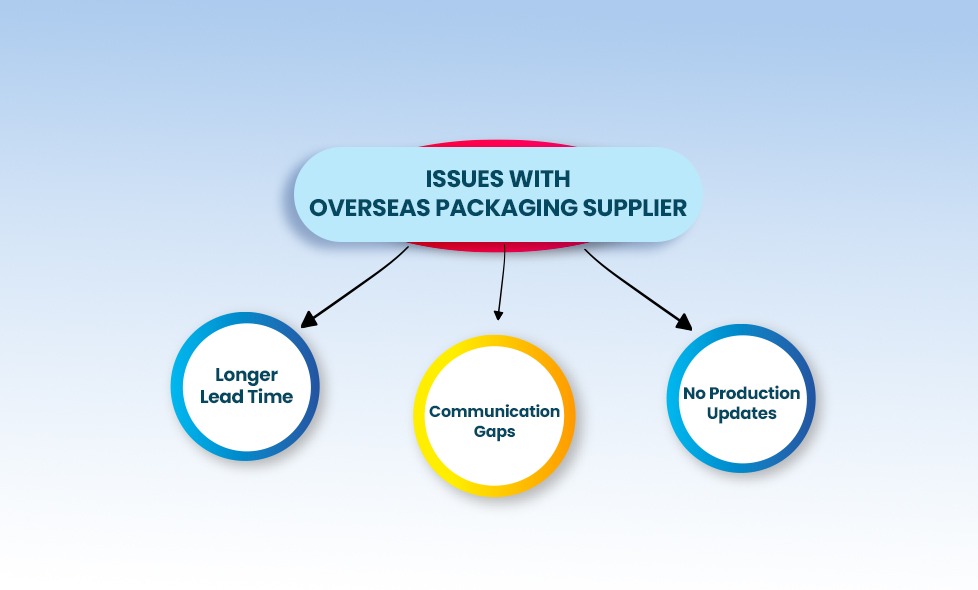
With overseas packaging suppliers, the dynamic shifts. Lead times stretch, communication often moves through layers, and production updates rely on structured reporting.
So, planning must be precise. Forecasting takes center stage. Businesses working with offshore packaging manufacturers learn quickly that every extra mile multiplies the steps necessary to keep the supply chain flowing.
Neither route locks you in but understanding how distance changes the rhythm of sourcing helps businesses choose a model that fits their operational style.
Quality Grows with Hands-On Oversight
Product quality doesn’t happen by accident. It builds through active collaboration and consistent attention. A domestic packaging supplier allows buyers to visit facilities, check materials, and confirm production processes firsthand. This presence creates a direct link between the supplier’s commitment and the buyer’s expectations.

International packaging suppliers often work with structured quality control systems. They perform audits, share reports, and maintain production standards. Yet, when personal oversight becomes limited by distance, the margin for variation can grow.
Businesses investing in packaging supplies USA often find that tighter control leads to fewer surprises. Clarity in expectations, combined with easy access to production lines, strengthens quality assurance.
Customization Works Best with Flexible Partners
When packaging moves beyond standard sizes and designs, supplier flexibility becomes critical. A custom packaging domestic supplier brings more than production capacity. They bring understanding of product needs, brand requirements, and market expectations.
- Collaborating with a local partner simplifies adjustments.
- Whether it is a change in print design, material selection, or box dimensions, quick conversations lead to practical solutions.
- Sampling happens faster.
- Iterations fit within production timelines.
Working with overseas packaging suppliers often means locking in larger minimum order quantities and longer lead times for custom runs. The flexibility to tweak a design mid-cycle may shift from a quick call to a multi-step approval chain.
Custom packaging made in USA supports businesses that value agility in product launches, seasonal promotions, or brand pivots. The right partner brings flexibility as part of the package, not as a special reques
Every Cost Decision Counts Beyond the Quote
Price comparisons on paper rarely show the full story. Beyond the quoted price per unit, a range of factors shape the actual cost of sourcing. Import packaging costs include duties, taxes, documentation, and freight charges. Each layer affects the total landed cost and cash flow planning.
Currency exchange rates introduce another variable in international sourcing. Payment terms, bank fees, and currency shifts can impact overall spend in ways often overlooked in the initial negotiation.
Domestic packaging suppliers offer clarity in pricing structures, often allowing for more predictable budgeting and smoother financial management. If you are sourcing custom die-cut boxes for direct-to-consumer shipments or bulk ordering standard shipping cartons, cost transparency supports better decision-making, giving businesses a clearer picture of their true sourcing expenses.

A thoughtful packaging supplier comparison always accounts for these deeper cost layers. The quote is a starting point, which is the real value emerges in how the total cost aligns with business needs and goals.
Agile Supply Chains Start with Accessible Partners
Supply chains build on agility. When demand shifts or production schedules change, the ability to adapt makes the difference between opportunity and setback.
Local packaging companies like Ucanpack, support this agility through direct access and ongoing communication. Conversations stay open. Production adjustments happen in sync with business demands. Supply chain decisions benefit from real-time insights, not delayed reports.
Overseas packaging suppliers may offer structured schedules and high-volume capacity, but response times align with the distance between the supplier and the business. Building agility into a supply chain often depends on working with partners who can move at the business’s pace.
An agile partnership grows when both sides invest in the relationship. Open communication fosters innovation, quick resolutions, and flexible planning which are essential traits for businesses navigating dynamic markets.
Sustainable Choices Grow with Local Partnerships
Sustainability shapes more than marketing messages. It influences sourcing decisions, production choices, and supply chain strategies. Local partnerships naturally align with reduced transportation emissions and smaller carbon footprints.
Working with a domestic packaging supplier makes it easier to access certified materials, verified production processes, and eco-friendly packaging options, like Single Wall Kraft Shipping Boxes which are made from recycled materials. By doing so, businesses gain transparency, knowing how products are made, sourced, and delivered.
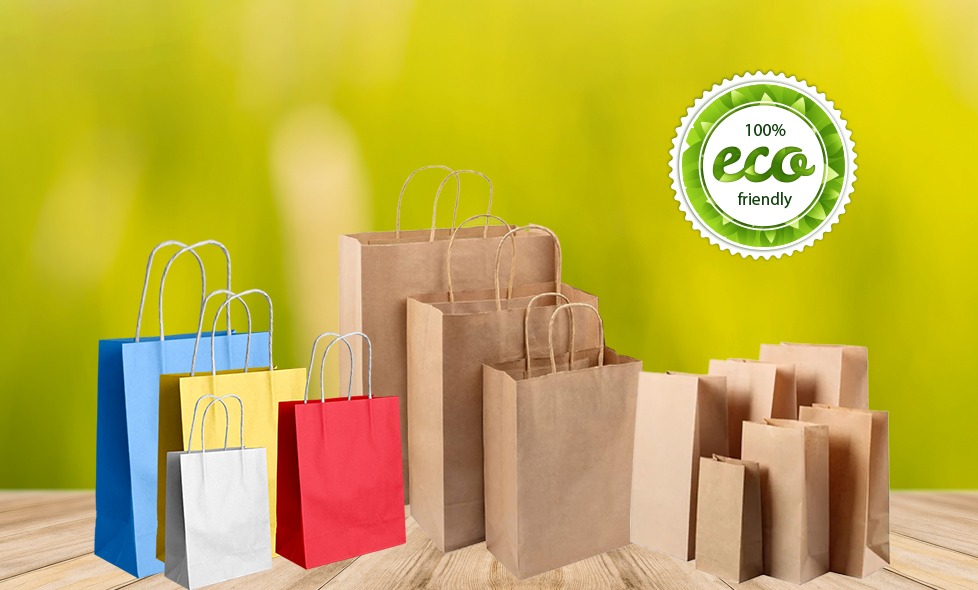
Sustainable local packaging supports both environmental responsibility and business credibility. As customer expectations evolve toward responsible sourcing, partnerships with local suppliers strengthen brand positioning and meet emerging regulatory standards.
All in all, sustainability grows stronger when the supply chain reflects the business’s values, starting with partners who share the commitment.
How Smart Businesses Navigate Domestic and Overseas Partnerships
Business owners rarely rely on gut feeling alone when choosing between a domestic packaging supplier and an overseas packaging manufacturer. They weigh decisions through a series of practical checkpoints. Not checklists, but real conversations within their teams. Here is how experienced businesses handle the decision:
- They start with business priorities, not price tags. The first question smart sourcing teams ask is not “What’s cheaper?” but “What works for our business model?” They map out delivery timelines, production runs, customer expectations, and market agility before ever requesting a quote.
- They test with smaller orders before scaling up. Whether working with a domestic partner or an offshore packaging manufacturer, experienced buyers often begin with trial orders; sometimes of standard shipping boxes, sometimes custom printed cartons. They gauge responsiveness, quality, and communication before making bigger commitments.
- They calculate total landed cost, not unit price. Wise procurement teams factor in everything including freight, duties, currency shifts, warehousing, even the risk of delays. Because the real cost lives beyond the invoice. Domestic suppliers may offer higher unit prices, but with fewer cost surprises down the line.
- They match agility with partner accessibility. Businesses with dynamic demand curves prioritize suppliers who can flex with them. Sometimes this means choosing a local packaging company with fast response times over a larger overseas operation tied to fixed production schedules.
- They align sustainability with sourcing decisions. Responsible businesses factor environmental impact into sourcing, even when it is not required by regulations. Working with partners offering recycled or sustainable local packaging options often becomes a brand-strengthening move as much as an operational choice.
They build partnerships, not transactions. Smart sourcing is not about switching suppliers every season. It is about finding partners, domestic or overseas, who understand the business vision and grow alongside it. Long-term partnerships often bring flexibility, priority production slots, and mutual trust that one-off deals cannot deliver.

Closing Observation: The Best Sourcing Choice Fits Your Business Vision
Choosing a packaging partner is not a fixed formula. It is actually a decision shaped by production goals, market dynamics, growth plans, and business values.
Domestic packaging suppliers bring control, flexibility, cost clarity, and sustainable sourcing closer to the heart of the business. Overseas packaging suppliers offer scale, capacity, and pricing models suited to structured, long-term plans.
The right choice fits the business - supporting its vision, operations, and customer promise.
Smart sourcing builds strong partnerships, reliable supply chains, and resilient businesses. That is where packaging decisions make the real difference.
Ready for smarter packaging sourcing?
Explore packaging solutions built around your business with UCanPack — a domestic packaging supplier that understands real supply chains, custom needs, and the pace of modern business.

-
Find Out How Specific Shipping Box Sizes Like 8x8x8 Simplify Packing and Quick Shipments
 August 8, 2025
 -
Dive into the variety of mailer box sizes that make e-commerce shipping effortless and efficient
 August 8, 2025
 -
Realize Why Triple-Wall Boxes Are Essential for Heavy-Duty Shipments That Demand Extra Strength
 August 8, 2025
 -
Explore the Key Certifications Ensuring Packaging Material Strength and Safety
 July 22, 2025
 -
Costly Packaging Mistakes SMEs Overlook and Simple Ways to Fix Them
 July 22, 2025